


Kenya’s road safety crisis continues to worsen despite endless campaigns, roadside operations, and official statements. Lives are lost weekly. Families are shattered. Yet the response from institutions remains predictable: cosmetic enforcement, silence from leadership, and blame placed squarely on drivers.
At the heart of this failure is the systematic sidelining of drivers from road safety representation and decision-making by the National Transport and Safety Authority (NTSA), the Ministry of Transport, the Ministry of Labour, the National Police Service (NPS), and the Kenya National Highways Authority (KeNHA).
Drivers, the very people at the center of road safety have been reduced to spectators in a system that claims to protect lives.
Drivers: The Most Affected, Yet the Least Heard
Drivers are the frontline stakeholders in road safety. They understand fatigue, unsafe schedules, vehicle defects, employer pressure, stalled vehicles, and poor road conditions better than anyone else. Yet when policies are crafted or campaigns rolled out, drivers are either excluded or included only symbolically.
Repeated concerns raised by LoDDCA through letters, meetings, and public forums remain unanswered or quietly shelved. Issues such as excessive working hours, forced night driving, solo long-distance trips without relief, intimidation by employers, poor pay, unsafe routes, and lack of rest are acknowledged informally but ignored institutionally.
This exclusion is not accidental.
It is structural.
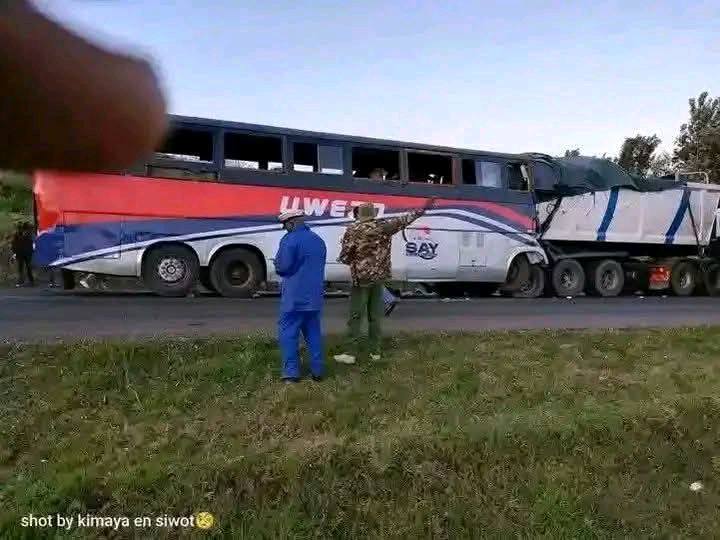
Labour Abuse: A Direct Threat to Road Safety
Road safety cannot be separated from labour practices. When logistic companies, PSV SACCOs, and companies routinely violate labour laws, they directly endanger all road users.
Common violations include:
- Drivers working 16–24 hours without adequate rest
- Denial of leave and lawful off-days
- Threats or penalties for refusing unsafe trips
- Pay systems that reward speed over safety
- Lack of medical cover, wellness support, and fatigue management
The Ministry of Labour, mandated to protect workers, has failed to decisively enforce labour laws in the transport sector. Labour inspections are weak, inconsistent, or compromised. Meanwhile, the Ministry of Transport continues to focus narrowly on vehicles and licensing while ignoring the human cost of unsafe work systems.
A fatigued and exploited driver is not merely a labour issue, it is a road safety emergency.
National Police Service: Selective Enforcement and Normalized Corruption
The National Police Service plays a critical role in road safety enforcement, yet its involvement has increasingly shifted from prevention to selective punishment and, in many cases, rent-seeking.
Instead of enforcing labour-related offences such as excessive working hours, unsafe scheduling, and employer coercion, many roadblocks focus on minor technicalities that encourage bribery. Transport companies that systematically abuse drivers are rarely questioned, while drivers fearful of losing their jobs are criminalized for circumstances beyond their control.
This selective enforcement has normalized corruption, undermined compliance, and eroded trust in road safety institutions.
Stalled Trucks: Preventable Hazards, Ignored by Enforcement
One of the most dangerous and increasingly common contributors to fatal crashes on Kenyan highways is the rise in unattended stalled trucks.
Across major corridors, broken-down trucks are left on the road for hours sometimes days without proper warning signs, reflective triangles, cones, or lighting. At night or during poor weather, these vehicles become deadly obstacles.
Kenyan traffic law is clear:
When a commercial vehicle stalls and poses a danger, it must be secured with proper safety measures and removed or towed within a reasonable, stipulated time.
Yet in practice:
- Stalled trucks block active lanes
- No advance warning signage is placed
- No urgency is shown to tow or remove them
- Vehicle owners face no consequences
The question is unavoidable: Where is the National Police Service when these hazards emerge?
The same enforcement machinery that appears swiftly for routine checks is absent when a stalled truck becomes a rolling death trap. Drivers and innocent road users pay the ultimate price for this inaction.
NTSA’s Cosmetic Operations: Activity Without Impact
NTSA continues to rely on high-visibility but low-impact interventions from roadblocks, impoundments, and public campaigns that create the illusion of action without addressing root causes.
These operations often:
- Punish drivers instead of fixing systemic failures
- Focus on paperwork rather than driver welfare
- Ignore employer responsibility and labour conditions
- Enable bribery instead of compliance
- Fail to deliver sustained safety improvements
You cannot roadblock your way out of a structural problem.
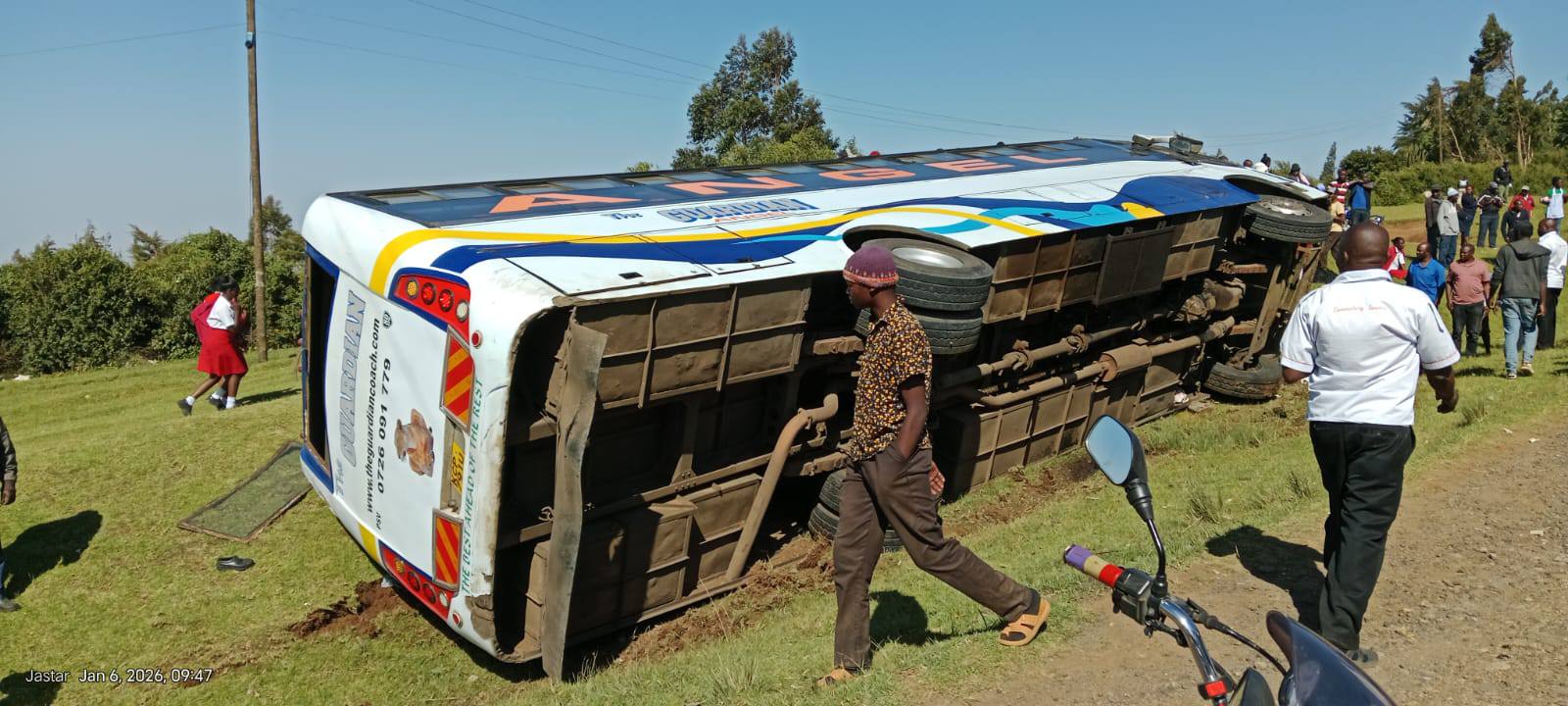
KeNHA: Neglected Roads, Rising Risk
Road safety is also a function of road quality, visibility, and design. In this regard, KeNHA has fallen short of its mandate.
Key national corridors such as the Kisumu–Busia Road remain in poor condition despite repeated complaints. Potholes, uneven surfaces, failing shoulders, and dangerous sections expose drivers and passengers to unnecessary risk.
Equally concerning is the widespread neglect of:
- Road signs in critical areas
- Faded or completely invisible road markings
- Warning signage near black spots and junctions
- Reflective features for night and poor-weather driving
Drivers are expected to obey traffic rules on roads that fail to meet basic safety standards a contradiction that shifts blame while avoiding accountability.
Leadership Silence at a Time of Crisis
As accidents increase, the silence from the top of the transport sector has been deafening.
The Cabinet Secretary (CS) and Principal Secretary – Davis Chirchir (PS) for Transport – Mohamed Daghar have shown no visible urgency, no comprehensive national response, and no consistent engagement with stakeholders particularly drivers. There have been no emergency forums, no direct dialogue with driver representatives, and no clear roadmap to reverse the growing crisis.
Road safety leadership cannot be ceremonial. It cannot exist in press briefings and photo opportunities alone. It must be grounded in listening, engagement, and decisive action informed by lived experience.
Silence, in this context, is not neutral.
It is a policy choice.
Who Is Being Protected and Who Is Being Exposed?
The current road safety framework shields institutions and powerful transport interests while exposing drivers and the public to danger.
Critical questions remain unanswered:
- Why are transport companies rarely sanctioned for labour violations linked to crashes?
- Why are employers not held jointly liable for fatigue-related accidents?
- Why are drivers blamed for infrastructure and enforcement failures beyond their control?
As long as accountability remains selective, road carnage will continue.
The Missing Link: Driver-Centered Road Safety
For Kenya to make meaningful progress, drivers must move from the margins to the center of road safety governance.
This requires:
- Formal driver representation within NTSA and policy forums
- Joint enforcement by NTSA, NPS, and the Ministry of Labour targeting working conditions
- Strict enforcement of rest-hour and fatigue regulations on employers
- Protection for drivers who report abuse and unsafe practices
- Crash investigations that include labour, enforcement, and infrastructure factors
- Urgent road repairs, signage, and markings by KeNHA
- Immediate action on stalled and broken-down vehicles
Drivers are not the problem.
They are the solution.
A Call to Restructure, Not Rebrand
Kenya does not need more slogans, roadshows, or temporary crackdowns. It needs a fundamental restructuring of how road safety is approached.
- NTSA must abandon cosmetic operations and restrategise
- The Ministry of Transport must move from silence to leadership
- The Ministry of Labour must enforce labour laws without fear or favor
- The National Police Service must prioritize prevention over bribery
- KeNHA must urgently fix dangerous roads and restore signage
- The CS and PS for Transport must engage drivers directly and consistently
- A Driver Safety Council must be established to bring drivers into decision-making
Every stalled truck left unattended is a policy failure.
Every ignored road defect is a choice.
Every preventable death is an indictment.
Road safety is not a slogan.
It is a responsibility.
And for too long, the people who keep this country moving have been sidelined.
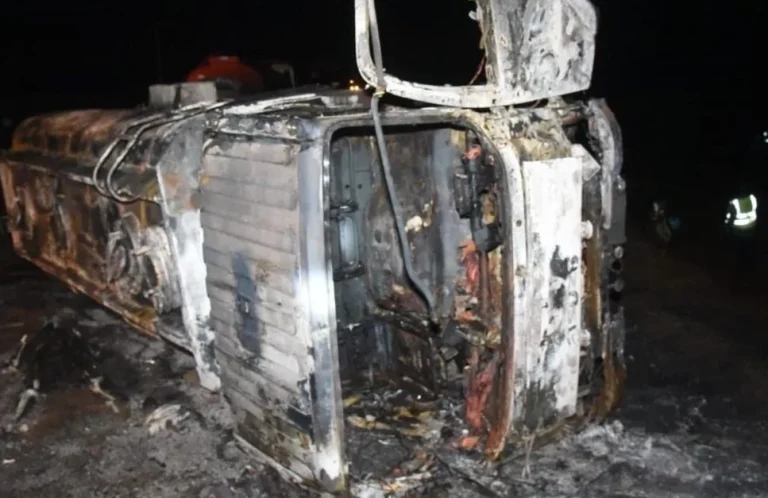
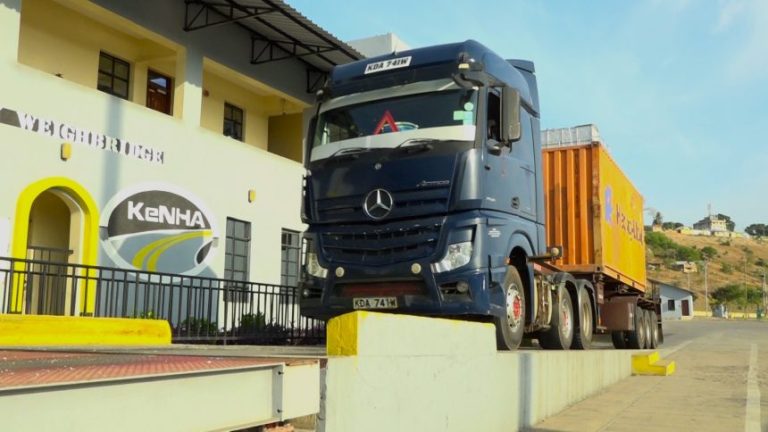
Think about those lorrys zinaharibikia kwa barabara we need a rescue team which will be acting very fast
Thank you Kevin.
Thats a great idea that requires a lot of resources and we believe we shll be there soon.