
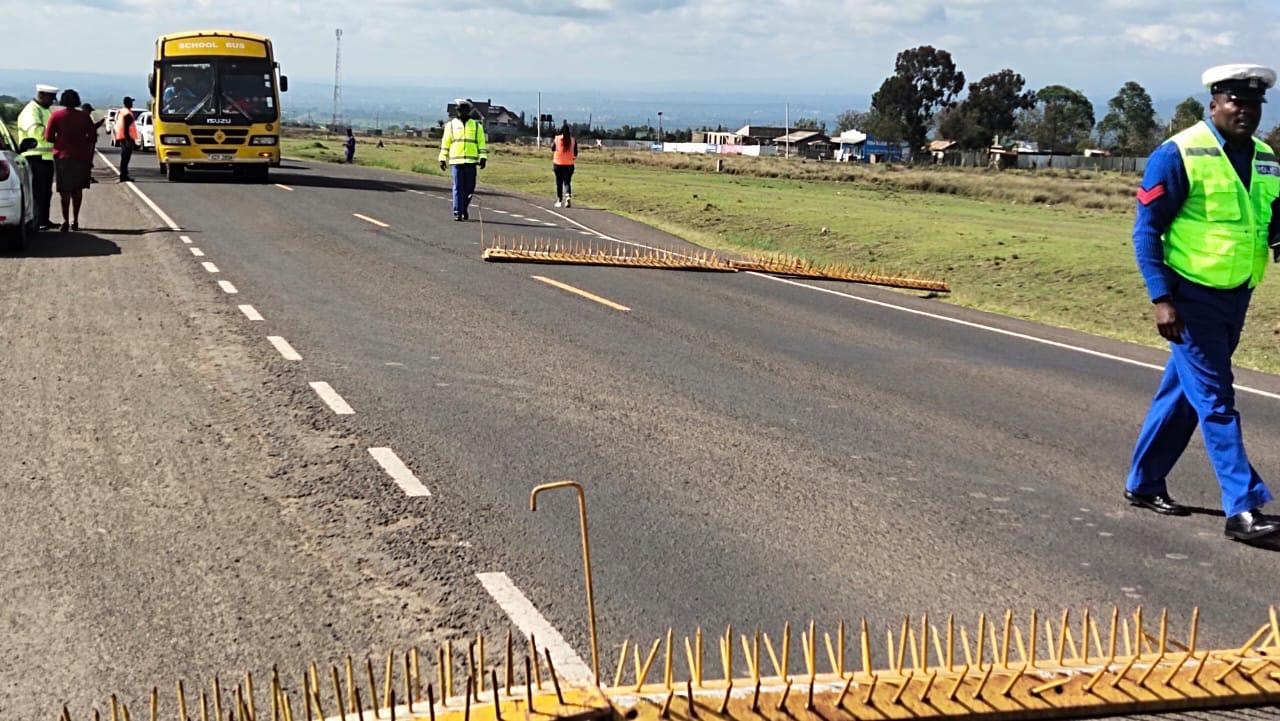

Why Sidelining Drivers Undermines Road Safety Operations
Road safety is a shared responsibility. It cannot be achieved through enforcement alone, nor can it succeed when key stakeholders especially drivers are sidelined in processes that directly affect their livelihoods and daily realities. As the National Transport and Safety Authority (NTSA) continues to lead ongoing road safety operations, a glaring gap remains: the meaningful inclusion of drivers and their representative bodies in planning, execution, and evaluation of these operations.
Drivers are not just subjects of regulation; they are frontline actors in the transport ecosystem. Any road safety initiative that overlooks their voice risks being ineffective, misunderstood, and resisted. This concern is even more pressing given that the Traffic Commandant publicly stated during the Stakeholder Consultative Forum on Road Safety held on 1st December at Utalii Hotel, Nairobi that key stakeholders among them drivers, would be included in the ongoing operations. That assurance raised expectations within the transport sector, expectations that many drivers now feel have not been adequately met.
Why Driver Involvement Matters
Drivers possess practical, on-the-ground knowledge that cannot be replicated in boardrooms or command centers. They understand road conditions, operational challenges, enforcement hotspots, and the unintended consequences of certain regulations. Including drivers from the outset helps ensure that road safety measures are realistic, context-sensitive, and more likely to be complied with.
Moreover, involvement fosters ownership. When drivers are part of the conversation, road safety stops being perceived as a punitive exercise and instead becomes a collective mission. This shift in perception is critical. Enforcement-heavy approaches without stakeholder engagement often breed fear, resentment, and non-cooperation, outcomes that directly undermine safety goals.
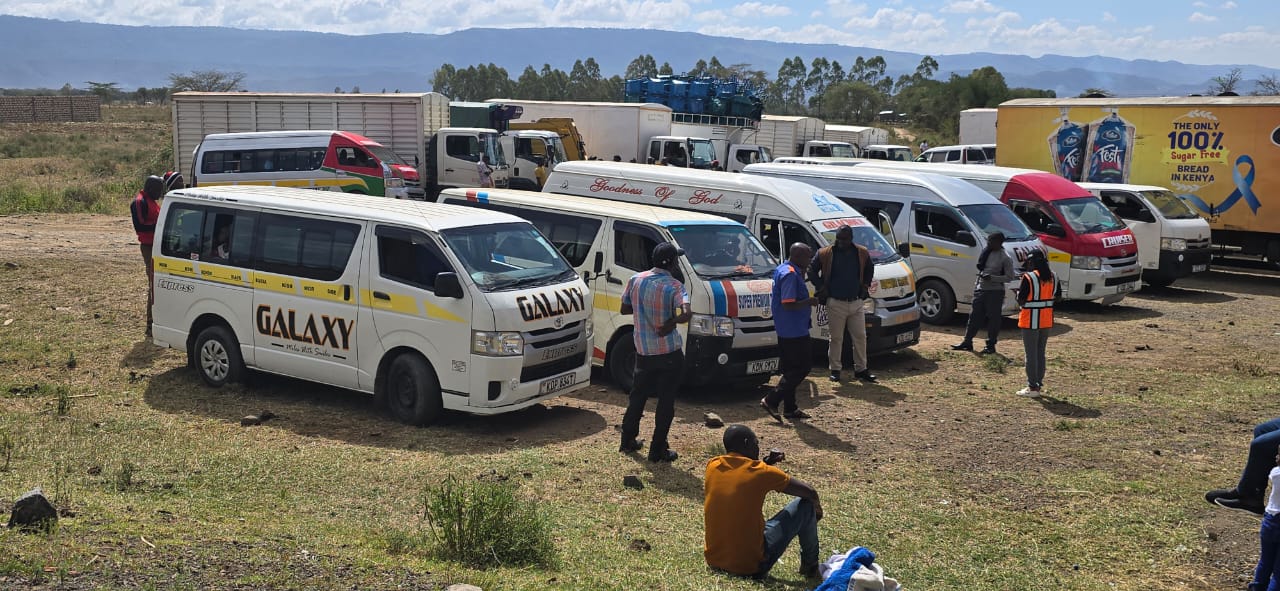
The Promise of Inclusion Must Be Honored
The Traffic Commandant’s statement that key stakeholders would be included in road safety operations was a step in the right direction. However, inclusion must go beyond rhetoric. It must be visible, structured, and continuous. Token consultations or after-the-fact briefings do not amount to meaningful participation. Drivers need representation at decision-making tables where operational strategies are discussed and refined.
Failing to honor this promise risks eroding trust not only in NTSA and the Traffic Police, but also in the broader road safety agenda. Trust, once lost, is difficult to rebuild and without it, even well-intentioned policies struggle to succeed.
The Role of LODDCA in Bridging the Gap
Recognized driver associations such as LODDCA (Long Distance Drivers and Conductors Association) play a crucial role in this ecosystem. As an organized and structured representative body, LODDCA provides a legitimate channel through which drivers’ concerns, experiences, and proposals can be communicated constructively.
Involving LODDCA in road safety operations would help reduce cases of victimization that drivers often report during enforcement exercises. Representation creates accountability on both sides: drivers are encouraged to adhere to safety standards, while enforcement agencies are reminded to act fairly, consistently, and transparently.
Just as importantly, LODDCA’s involvement can significantly shorten the gap and ease the tension that has grown between NTSA and drivers over time. Dialogue replaces confrontation. Understanding replaces suspicion. Collaboration replaces conflict.
From Enforcement to Partnership
Road safety cannot be sustained through crackdowns alone. While enforcement has its place, it must be balanced with education, engagement, and partnership. Drivers should be seen as allies in saving lives on our roads, not as adversaries to be controlled.
Including drivers and their representatives helps humanize enforcement operations. It allows NTSA and the Traffic Police to better communicate the intent behind regulations, while also giving drivers a platform to highlight genuine challenges such as unrealistic timelines, infrastructure gaps, labour issues and economic pressures that affect compliance.
Conclusion
If the goal of NTSA-led road safety operations is truly to reduce accidents and save lives, then sidelining key transport stakeholders starting with drivers is counterproductive. The inclusion promised by the Traffic Commandant must be actualized, not postponed or diluted.
By actively involving drivers and bodies like LODDCA, NTSA can reduce victimization, rebuild trust, and transform road safety operations from a source of tension into a model of cooperation. Road safety works best when everyone has a seat at the table especially those behind the wheel.
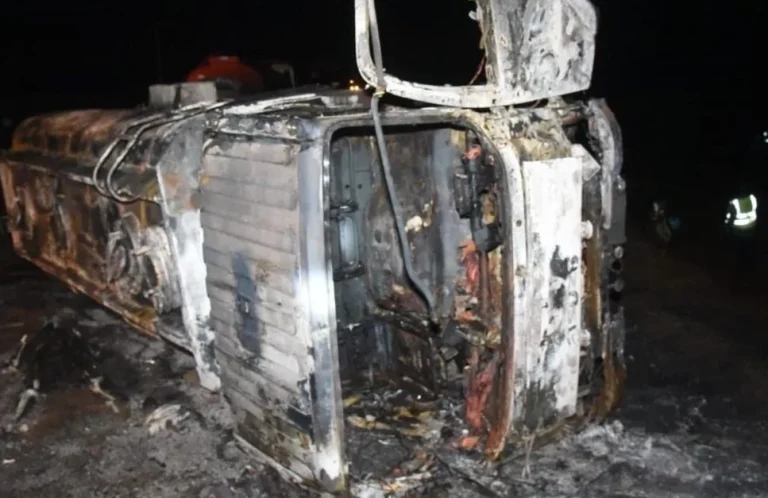
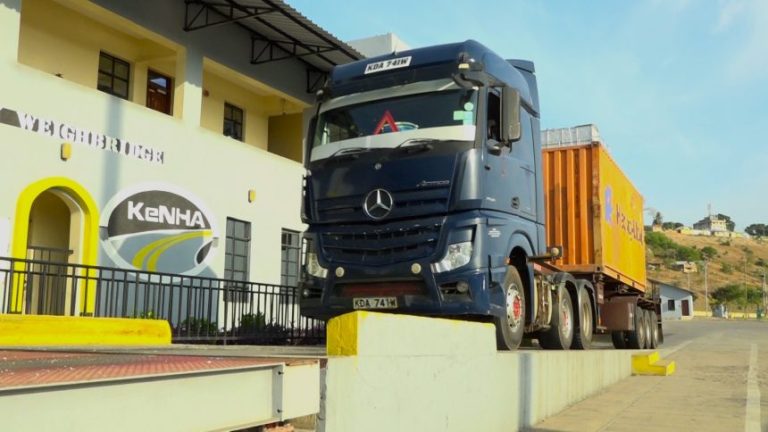
IT’s true we need to work together, drivers are always backbone of the economy, to stop this accidents let drives work with NTSA let’s not be enemy’s